
CYFIRMA Research and Advisory Team would like to highlight ransomware trends and insights gathered while monitoring various forums. This includes multiple industries, geographies, and technologies that could be relevant to your organization.
Type: Ransomware
Target Technologies: Windows OS
Introduction
CYFIRMA Research and Advisory Team has found Neutrino Ransomware while monitoring various underground forums as part of our Threat Discovery Process.
Neutrino Ransomware
Neutrino is a file-encrypting ransomware that employs a double-extortion technique to compromise targeted systems and organizational networks. Once executed, it encrypts accessible files using a cryptographic algorithm, rendering them inaccessible without the corresponding decryption key. During the encryption process, it replaces original filenames with randomly generated character strings and appends the .neutrino extension to the resulting files. For example, a file named 1.jpg may be renamed to 5xnraLY2.neutrino. Following encryption, the malware creates a ransom note named README-RECOVERY.txt in affected directories and modifies the desktop wallpaper to display an encryption notification and a victim-specific reference identifier. In addition to disrupting data availability, Neutrino claims to exfiltrate sensitive information from the compromised network, potentially including confidential organizational records. This combination of file encryption and alleged data theft enables the attackers to exert pressure through both operational disruption and threats of public data disclosure.
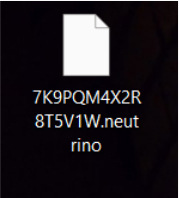
Screenshot: File encrypted by the ransomware (Source: Surface Web)
The ransom note, README-RECOVERY.txt, informs victims that their network has been compromised through security vulnerabilities and that files have been encrypted using what the attackers describe as a military-grade cryptographic algorithm. It further claims that critical data has been transferred to attacker-controlled servers and threatens to publish or sell the stolen information if the victim fails to comply before the specified deadline. Victims are instructed to initiate negotiations through a Telegram-based communication channel and submit their assigned reference identifier. The attackers offer to decrypt one file smaller than 1 MB free of charge as proof of their alleged decryption capability. In return for payment, they promise to provide decryption software, restore affected systems and files within 24 hours, permanently delete exfiltrated information, maintain confidentiality regarding the breach, and provide cybersecurity recommendations. The note also attempts to discourage victims from contacting recovery specialists, modifying encrypted files, or using third-party repair utilities, while creating urgency through warnings of increased ransom costs for delayed responses. These statements represent unverified claims made by the attackers and do not guarantee successful data recovery or deletion of stolen information.
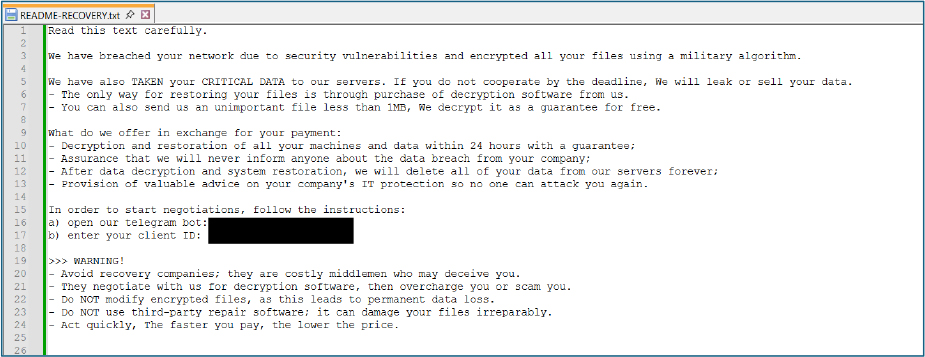
Screenshot: The appearance of Neutrino Ransomware’s ransom note (README-RECOVERY.txt) (Source: Surface Web)
The following are the TTPs based on the MITRE ATT&CK framework
| Tactic | Technique ID | Technique Name |
| Execution | T1047 | Windows Management Instrumentation |
| Execution | T1059 | Command and Scripting Interpreter |
| Execution | T1129 | Shared Modules |
| Execution | T1569.002 | System Services: Service Execution |
| Execution | T1574 | Hijack Execution Flow |
| Persistence | T1543.003 | Create or Modify System Process: Windows Service |
| Privilege Escalation | T1055 | Process Injection |
| Privilege Escalation | T1543.003 | Create or Modify System Process: Windows Service |
| Privilege Escalation | T1548 | Abuse Elevation Control Mechanism |
| Credential Access | T1003 | OS Credential Dumping |
| Credential Access | T1552.001 | Unsecured Credentials: Credentials In Files |
| Discovery | T1016 | System Network Configuration Discovery |
| Discovery | T1082 | System Information Discovery |
| Discovery | T1083 | File and Directory Discovery |
| Collection | T1005 | Data from Local System |
| Collection | T1114 | Email Collection |
| Command and Control | T1071 | Application Layer Protocol |
| Impact | T1485 | Data Destruction |
| Impact | T1486 | Data Encrypted for Impact |
| Impact | T1490 | Inhibit System Recovery |
| Stealth | T1027.002 | Obfuscated Files or Information: Software Packing |
| Stealth | T1036 | Masquerading |
| Stealth | T1055 | Process Injection |
| Stealth | T1070.004 | Indicator Removal: File Deletion |
| Stealth | T1202 | Indirect Command Execution |
| Stealth | T1564.003 | Hide Artifacts: Hidden Window |
| Stealth | T1574 | Hijack Execution Flow |
| Defense Impairment | T1553.002 | Subvert Trust Controls: Code Signing |
Relevancy and Insights:
ETLM Assessment:
Neutrino ransomware may evolve towards more sophisticated attack mechanisms, with increased automation, improved encryption capabilities, and broader targeting of enterprise environments. Future variants could incorporate advanced evasion techniques to bypass endpoint detection systems, disable security services, terminate backup-related processes, and identify network-accessible storage before initiating encryption. The malware may also adopt more selective file-encryption strategies to accelerate attacks while minimizing the likelihood of early detection. Furthermore, its operators could expand their initial access methods through compromised credentials, vulnerable internet-facing services, phishing campaigns, and lateral movement across interconnected systems. If these capabilities are developed, future versions may cause more extensive disruption by compromising multiple endpoints, servers, and shared network resources within a single intrusion.
Another possible development is the expansion of Neutrino’s double-extortion model into more aggressive, multi-layered extortion operations. Future campaigns could combine automated data discovery, large-scale information exfiltration, targeted leak threats, and prolonged pressure on affected organizations, including threats to notify customers, business partners, or regulatory authorities. Attackers may also introduce customized ransom notes, dedicated negotiation portals, and automated communication systems to streamline ransom negotiations. Additionally, emerging variants could use stronger anti-analysis techniques, obfuscation, and infrastructure rotation to complicate malware investigation and attribution. These developments are potential evolutionary trends based on established ransomware techniques rather than confirmed capabilities of Neutrino. The extent of its future development will depend on the operators’ technical resources, attack strategies, and ability to adapt to improvements in cybersecurity defenses.
Sigma rules:
title: Shadow Copies Deletion Using Operating Systems Utilities
tags:
– attack.impact
– attack.stealth
– attack.t1070
logsource:
category: process_creation
product: windows
detection:
selection1_img:
– Image|endswith:
– ‘\powershell.exe’
– ‘\pwsh.exe’
– ‘\wmic.exe’
– ‘\vssadmin.exe’
– ‘\diskshadow.exe’
– OriginalFileName:
– ‘PowerShell.EXE’
– ‘pwsh.dll’
– ‘wmic.exe’
– ‘VSSADMIN.EXE’
– ‘diskshadow.exe’
selection1_cli:
CommandLine|contains|all:
– ‘shadow’ # will match “delete shadows” and “shadowcopy delete” and “shadowstorage”
– ‘delete’
selection2_img:
– Image|endswith: ‘\wbadmin.exe’
– OriginalFileName: ‘WBADMIN.EXE’
selection2_cli:
CommandLine|contains|all:
– ‘delete’
– ‘catalog’
– ‘quiet’ # will match -quiet or /quiet
selection3_img:
– Image|endswith: ‘\vssadmin.exe’
– OriginalFileName: ‘VSSADMIN.EXE’
selection3_cli:
CommandLine|contains|all:
– ‘resize’
– ‘shadowstorage’
CommandLine|contains:
– ‘unbounded’
– ‘/MaxSize=’
condition: (all of selection1*) or (all of selection2*) or (all of selection3*)
falsepositives:
– Legitimate Administrator deletes Shadow Copies using operating systems utilities for legitimate reason
– LANDesk LDClient Ivanti-PSModule (PS EncodedCommand)
level: high
(Source: Surface Web)
IOCs
Kindly refer to the IOCs section to exercise control of your security systems.
(Source: Surface Web)
STRATEGIC RECOMMENDATIONS
MANAGEMENT RECOMMENDATIONS
TACTICAL RECOMMENDATIONS
Type: InfoStealer / Stealer
Objectives: Credential Theft and Data Exfiltration
Target Technology: Windows
Target Geography: Global
CYFIRMA collects data from various forums based on which the trend is ascertained. We identified a few popular malwares that were found to be distributed in the wild to launch cyberattacks on organizations or individuals.
Active Malware of the Week
This week, RaptorStealer Malware is in focus.
Overview of Operation RaptorStealer Malware
The assessment of RaptorStealer identifies a targeted information-stealing threat designed to compromise systems and obtain access to sensitive information. Its operational behavior indicates a deliberate effort to remain concealed by exploiting legitimate system processes, reducing the likelihood of detection during routine endpoint monitoring.
The observed activities primarily involve the collection of stored browser credentials, account information, and other locally available data. Additionally, clipboard monitoring enables the capture of potentially sensitive information copied by users during regular activities. These capabilities demonstrate a clear focus on acquiring valuable information from compromised systems, potentially exposing both individual and organizational data.
The threat also employs persistence mechanisms to maintain its presence within affected environments. By establishing scheduled execution and automatic startup configurations, it can resume its activities following system restarts or subsequent user log-ons. These mechanisms increase the possibility of prolonged compromise and make complete removal more challenging.
Although limited outbound network communication was observed during the analysis, the identified information-collection and persistence capabilities present a considerable security concern. Successful deployment within an organizational environment could expose employee credentials, confidential business information, and other sensitive resources, potentially increasing the risk of further unauthorized access and subsequent security incidents.
Attack Method
The malware initiates its execution on a Windows system by checking predefined mutex objects, including WERReportingForProcess7048 and InventorySynchronizationInventoryApplicationFileMutex3608, to identify existing instances and prevent duplicate execution. During the initial phase, it collects basic host and environment information to establish the system’s execution context. It also incorporates environmentally aware execution checks that may influence its behavior or cause it to terminate under unfavorable conditions. Its execution approach involves reflective, memory-based loading, reducing reliance on conventional file-based execution and complicating static inspection. Additionally, memory and thread manipulation consistent with process injections allows malicious code to operate within legitimate processes, potentially bypassing application control mechanisms and reducing its visibility.
For persistence, malware establishes mechanisms that enable its execution to continue across system restarts and user sessions. It creates scheduled tasks to trigger the payload at configured intervals or during system startup, while Windows Registry autostart configurations facilitate execution whenever an affected user logs on. These techniques provide multiple execution paths, increasing the likelihood of continuing operation even if one activation mechanism is disrupted. The use of memory-based execution further complicates detection by limiting the visibility of malicious components through conventional file-based inspection.
The primary objective involves extensive collection of sensitive information from the compromised endpoint. Observed activities include accessing Windows credential stores to retrieve cached authentication material, extracting saved usernames and passwords from browser login databases, and collecting cookies that may contain active web-session information. The malware also examines local files to identify potentially valuable documents, configuration data, and other sensitive content. In parallel, clipboard monitoring enables the interception of copied information, including passwords, cryptocurrency wallet addresses, and confidential text, creating an additional channel for gathering information entered or handled by users.
Alongside these collection activities, the malware performs system reconnaissance by examining running processes, host configurations, and available security controls to understand the compromised environment. The combination of credential harvesting, browser data extraction, local file collection, and clipboard surveillance demonstrates a broad information-gathering capability. Its use of process injections and multiple persistence mechanisms further supports sustained access to compromised endpoints while attempting to minimize detection throughout its operation.
The following are the TTPs based on the MITRE ATT&CK Framework for Enterprises
| Tactic | Technique | Technique Name |
| Execution | T1047 | Windows Management Instrumentation |
| T1059 | Command and Scripting Interpreter | |
| T1129 | Shared Modules | |
| T1574 | Hijack Execution Flow | |
| Persistence | T1112 | Modify Registry |
| T1547.001 | Boot or Logon Autostart Execution: Registry Run Keys / Startup Folder | |
| Privilege Escalation | T1055 | Process Injection |
| Stealth | T1027.002 | Obfuscated Files or Information: Software Packing |
| T1036 | Masquerading | |
| T1497.001 | Virtualization/Sandbox Evasion: System Checks | |
| Credential Access | T1555.003 | Credentials from Password Stores: Credentials from Web Browsers |
| Discovery | T1012 | Query Registry |
| T1033 | System Owner/User Discovery | |
| T1082 | System Information Discovery | |
| T1083 | File and Directory Discovery | |
| T1087 | Account Discovery | |
| T1518.001 | Software Discovery: Security Software Discovery | |
| T1614 | System Location Discovery | |
| Collection | T1005 | Data from Local System |
| T1115 | Clipboard Data | |
| T1213 | Data from Information Repositories | |
| Command and control | T1071 | Application Layer Protocol |
| Impact | T1496 | Resource Hijacking |
INSIGHTS
ETLM ASSESSMENT
From an ETLM perspective, the continued evolution of information-stealing threats such as RaptorStealer may increase the likelihood of organizations facing more complex security incidents in the coming years. As stolen information becomes increasingly valuable across underground markets, compromised employee identities could become an entry point for wider business-related fraud, impersonation, and unauthorized access to corporate resources. Organizations may also face growing challenges in distinguishing legitimate employee activity from actions performed through misused accounts, potentially affecting business continuity, customer confidence, and regulatory obligations. For employees, the consequences could extend beyond workplace systems, with personal accounts, digital identities, and confidential communications becoming increasingly exposed to misuse. As these threats evolve, the boundary between individual data exposure and organizational compromise is likely to become less distinct, increasing the overall impact of future cyber incidents.
IOCs:
Kindly refer to the IOCs below to exercise controls on your security systems.
(Source: Open Surface)
YARA Rules
rule RaptorStealer_Malware
{
meta:
description = “Detection rule for the analyzed malware sample”
author = “CYFIRMA Research”
strings:
$hash1 = “a7a8ae48cf1e994fe864246cc26361aaec0f7ba58a37e27a11ee51d041c9f75e”
$hash2 = “4ad2a626efd879c8e8666b2026b0d2942daebe11”
$hash3 = “6c9aaeb054947e40b22cf9e893d4f395”
$s1 = “C:\\Windows\\system32\\WerFault.exe -u -p 2068 -s 528”
$s2 = “WERReportingForProcess7048”
$s3 = “InventorySynchronizationInventoryApplicationFileMutex3608”
$s4 = “c4fe5a4c-757c-487e-b509-f80ef192f374”
$s5 = “C:\\ProgramData\\Microsoft\\Windows\\WER\\Temp”
$s6 = “Temp”
$s7 = “C:\\ProgramData\\Microsoft\\Windows\\WER\\Temp\\5965b9fb-1f9a-40d8-bbd5-2fead81870bc”
$s8 = “5965b9fb-1f9a-40d8-bbd5-2fead81870bc”
$s9 = “C:\\ProgramData\\Microsoft\\Windows\\WER\\ReportQueue”
$s10 = “ReportQueue”
$s11 = “C:\\ProgramData\\Microsoft\\Windows\\WER\\Temp\\f0da0415-0a17-4965-8947-782e5642124a”
$s12 = “f0da0415-0a17-4965-8947-782e5642124a”
$s13 = “RaptorStealer”
condition:
any of ($hash*) or
2 of ($s*)
}
Strategic Recommendations
Management Recommendations
Tactical Recommendations
Key Intelligence Signals:
APT29: Sustained Cyber-Espionage Operations and Strategic Intelligence Collection
About the Threat Actor
APT29, also known as The Dukes, is a well-resourced, highly organized cyberespionage group believed to have operated on behalf of the Russian Federation since at least 2008 to collect intelligence in support of foreign and security policy decision-making. The group is known for deploying a broad range of malware toolsets, including MiniDuke, CosmicDuke, OnionDuke, CozyDuke, CloudDuke (MiniDionis), SeaDuke, HammerDuke (Hammertoss), PinchDuke, and GeminiDuke. APT29 has conducted large-scale spear-phishing campaigns against hundreds or thousands of recipients associated with governmental institutions and affiliated organizations, using a rapid intrusion and data-exfiltration approach. When a compromised target is considered valuable, the group shifts to stealthier tools and tactics focused on maintaining persistent access and conducting long-term intelligence gathering. APT29 is also suspected of being responsible for the 2015 compromise of unclassified networks at the White House, Department of State, Pentagon, and Joint Chiefs of Staff.
Details on Exploited Vulnerabilities
| CVE ID | Affected Products | CVSS Score | Exploit Links |
| CVE-2024-23222 | Safari, iOS, iPadOS, macOS Monterey, macOS Sonoma, macOS Ventura, tvOS, visionOS | 8.8 | – |
| CVE-2020-0688 | Microsoft Exchange software | 8.8 | Link1, Link2 |
| CVE-2019-0708 | Microsoft Remote Desktop Services (RDS) | 9.8 | Link1, Link2, Link3, Link4, Link5 |
| CVE-2017-11882 | Microsoft Office | 7.8 | – |
| CVE-2024-21762 | Fortinet FortiOS | 9.8 | – |
TTPs based on the MITRE ATT&CK Framework
| Tactic | ID | Technique |
| Reconnaissance | T1595.002 | Active Scanning: Vulnerability Scanning |
| Reconnaissance | T1589.001 | Gather Victim Identity Information: Credentials |
| Resource Development | T1583.001 | Acquire Infrastructure: Domains |
| Resource Development | T1583.006 | Acquire Infrastructure: Web Services |
| Resource Development | T1586.002 | Compromise Accounts: Email Accounts |
| Resource Development | T1586.003 | Compromise Accounts: Cloud Accounts |
| Resource Development | T1584.001 | Compromise Infrastructure: Domains |
| Resource Development | T1587.001 | Develop Capabilities: Malware |
| Resource Development | T1587.003 | Develop Capabilities: Social Media Accounts |
| Resource Development | T1585.001 | Establish Accounts: Social Media Accounts |
| Resource Development | T1588.002 | Obtain Capabilities: Tool |
| Initial Access | T1190 | Exploit Public-Facing Application |
| Initial Access | T1133 | External Remote Services |
| Initial Access | T1078.002 | Valid Accounts: Domain Accounts |
| Initial Access | T1078 | Valid Accounts |
| Initial Access | T1078.003 | Valid Accounts: Local Accounts |
| Initial Access | T1078.004 | Valid Accounts: Cloud Accounts |
| Initial Access | T1566.001 | Phishing: Spear phishing Attachment |
| Initial Access | T1566.002 | Phishing: Spear phishing Link |
| Initial Access | T1566.003 | Phishing: Spear phishing via Service |
| Initial Access | T1195.002 | Supply Chain Compromise: Compromise Software Supply Chain |
| Initial Access | T1199 | Trusted Relationship |
| Execution | T1059.001 | Command and Scripting Interpreter: PowerShell |
| Execution | T1059.006 | Command and Scripting Interpreter: Python |
| Execution | T1059.005 | Command and Scripting Interpreter: Visual Basic |
| Execution | T1059.009 | Command and Scripting Interpreter: Cloud API |
| Execution | T1203 | Exploitation for Client Execution |
| Execution | T1053.005 | Scheduled Task/Job: Scheduled Task |
| Execution | T1204.001 | User Execution: Malicious Link |
| Execution | T1204.002 | User Execution: Malicious File |
| Execution | T1651 | Cloud Administration Command |
| Execution | T1047 | Windows Management Instrumentation |
| Execution | T1059.003 | Command and Scripting Interpreter: Windows Command Shell |
| Persistence | T1078.002 | Valid Accounts: Domain Accounts |
| Persistence | T1078 | Valid Accounts |
| Persistence | T1078.003 | Valid Accounts: Local Accounts |
| Persistence | T1078.004 | Valid Accounts: Cloud Accounts |
| Persistence | T1053.005 | Scheduled Task/Job: Scheduled Task |
| Persistence | T1133 | External Remote Services |
| Persistence | T1098.001 | Account Manipulation: Additional Cloud Credentials |
| Persistence | T1098.002 | Account Manipulation: Additional Email Delegate Permissions |
| Persistence | T1098.003 | Account Manipulation: Additional Cloud Roles |
| Persistence | T1098.005 | Account Manipulation: Device Registration |
| Persistence | T1547.001 | Boot or Logon Autostart Execution: Registry Run Keys / Startup Folder |
| Persistence | T1505.003 | Server Software Component: Web Shell |
| Persistence | T1136.003 | Create Account: Cloud Account |
| Persistence | T1037.004 | Boot or Logon Initialization Scripts: RC Scripts |
| Persistence | T1546.003 | Event Triggered Execution: Windows Management Instrumentation Event Subscription |
| Persistence | T1546.008 | Event Triggered Execution: Accessibility Features |
| Persistence | T1037 | Boot or Logon Initialization Scripts |
| Persistence | T1556.007 | Modify Authentication Process: Hybrid Identity |
| Privilege Escalation | T1546.003 | Event Triggered Execution: Windows Management Instrumentation Event Subscription |
| Privilege Escalation | T1546.008 | Event Triggered Execution: Accessibility Features |
| Privilege Escalation | T1068 | Exploitation for Privilege Escalation |
| Privilege Escalation | T1484.002 | Domain or Tenant Policy Modification: Trust Modification |
| Privilege Escalation | T1098.001 | Account Manipulation: Additional Cloud Credentials |
| Privilege Escalation | T1098.002 | Account Manipulation: Additional Email Delegate Permissions |
| Privilege Escalation | T1098.003 | Account Manipulation: Additional Cloud Roles |
| Privilege Escalation | T1098.005 | Account Manipulation: Device Registration |
| Privilege Escalation | T1547.001 | Boot or Logon Autostart Execution: Registry Run Keys / Startup Folder |
| Privilege Escalation | T1037 | Boot or Logon Initialization Scripts |
| Privilege Escalation | T1037.004 | Boot or Logon Initialization Scripts: RC Scripts |
| Privilege Escalation | T1548.002 | Abuse Elevation Control Mechanism: Bypass User Account Control |
| Privilege Escalation | T1053.005 | Scheduled Task/Job: Scheduled Task |
| Privilege Escalation | T1078 | Valid Accounts |
| Privilege Escalation | T1078.002 | Valid Accounts: Domain Accounts |
| Stealth | T1078.003 | Valid Accounts: Local Accounts |
| Stealth | T1078.004 | Valid Accounts: Cloud Accounts |
| Stealth | T1140 | Deobfuscate/Decode Files or Information |
| Stealth | T1070.004 | Indicator Removal: File Deletion |
| Stealth | T1070 | Indicator Removal |
| Stealth | T1078 | Valid Accounts |
| Stealth | T1078.002 | Valid Accounts: Domain Accounts |
| Stealth | T1078.003 | Valid Accounts: Local Accounts |
| Stealth | T1078.004 | Valid Accounts: Cloud Accounts |
| Stealth | T1070.008 | Indicator Removal: Clear Mailbox Data |
| Stealth | T1070.006 | Indicator Removal: Timestomp |
| Stealth | T1218.005 | System Binary Proxy Execution: Mshta |
| Stealth | T1218.011 | System Binary Proxy Execution: Rundll32 |
| Stealth | T1036.004 | Masquerading: Masquerade Task or Service |
| Stealth | T1036.005 | Masquerading: Match Legitimate Resource Name or Location |
| Stealth | T1027.002 | Obfuscated Files or Information: Software Packing |
| Stealth | T1027.001 | Obfuscated Files or Information: Binary Padding |
| Stealth | T1027.003 | Obfuscated Files or Information: Steganography |
| Stealth | T1027.006 | Obfuscated Files or Information: HTML Smuggling |
| Defense Impairment | T1553.002 | Subvert Trust Controls: Code Signing |
| Defense Impairment | T1686 | Disable or Modify System Firewall |
| Defense Impairment | T1685 | Disable or Modify Tools |
| Defense Impairment | T1484.002 | Domain or Tenant Policy Modification: Trust Modification |
| Defense Impairment | T1685.001 | Disable or Modify Tools: Disable or Modify Windows Event Log |
| Defense Impairment | T1685.002 | Disable or Modify Tools: Disable or Modify Cloud Log |
| Defense Impairment | T1553.005 | Subvert Trust Controls: Mark-of-the-Web Bypass |
| Defense Impairment | T1556.007 | Modify Authentication Process: Hybrid Identity |
| Credential Access | T1555 | Credentials from Password Stores |
| Credential Access | T1555.003 | Credentials from Password Stores: Credentials from Web Browsers |
| Credential Access | T1110.001 | Brute Force: Password Guessing |
| Credential Access | T1110.003 | Brute Force: Password Spraying |
| Credential Access | T1606.001 | Forge Web Credentials: Web Cookies |
| Credential Access | T1606.002 | Forge Web Credentials: SAML Tokens |
| Credential Access | T1621 | Multi-Factor Authentication Request Generation |
| Credential Access | T1556.007 | Modify Authentication Process: Hybrid Identity |
| Credential Access | T1003.002 | OS Credential Dumping: Security Account Manager |
| Credential Access | T1003.004 | OS Credential Dumping: LSA Secrets |
| Credential Access | T1003.006 | OS Credential Dumping: DCSync |
| Credential Access | T1552.004 | Unsecured Credentials: Private Keys |
| Credential Access | T1528 | Steal Application Access Token |
| Credential Access | T1649 | Steal or Forge Authentication Certificates |
| Credential Access | T1558.003 | Steal or Forge Kerberos Tickets: Kerberoasting |
| Credential Access | T1539 | Steal Web Session Cookie |
| Credential Access | T1552.004 | Unsecured Credentials: Private Keys |
| Discovery | T1083 | File and Directory Discovery |
| Discovery | T1680 | Local Storage Discovery |
| Discovery | T1482 | Domain Trust Discovery |
| Discovery | T1057 | Process Discovery |
| Discovery | T1087 | Account Discovery |
| Discovery | T1087.002 | Account Discovery: Domain Account |
| Discovery | T1087.004 | Account Discovery: Cloud Account |
| Discovery | T1069 | Permission Groups Discovery |
| Discovery | T1069.002 | Permission Groups Discovery: Domain Groups |
| Discovery | T1018 | Remote System Discovery |
| Discovery | T1016.001 | System Network Configuration Discovery: Internet Connection Discovery |
| Lateral Movement | T1550 | Use Alternate Authentication Material |
| Lateral Movement | T1550.001 | Use Alternate Authentication Material: Application Access Token |
| Lateral Movement | T1550.003 | Use Alternate Authentication Material: Pass the Ticket |
| Lateral Movement | T1550.004 | Use Alternate Authentication Material: Web Session Cookie |
| Lateral Movement | T1021.001 | Remote Services: Remote Desktop Protocol |
| Lateral Movement | T1021.002 | Remote Services: SMB/Windows Admin Shares |
| Lateral Movement | T1021.006 | Remote Services: Windows Remote Management |
| Lateral Movement | T1021.007 | Remote Services: Cloud Services |
| Collection | T1213 | Data from Information Repositories |
| Collection | T1213.003 | Data from Information Repositories: Code Repositories |
| Collection | T1560.001 | Archive Collected Data: Archive via Utility |
| Collection | T1005 | Data from Local System |
| Collection | T1074.002 | Data Staged: Remote Data Staging |
| Collection | T1114.002 | Email Collection: Remote Email Collection |
| Command and Control | T1071.001 | Application Layer Protocol: Web Protocols |
| Command and Control | T1105 | Ingress Tool Transfer |
| Command and Control | T1573 | Encrypted Channel |
| Command and Control | T1001.002 | Data Obfuscation: Steganography |
| Command and Control | T1568 | Dynamic Resolution |
| Command and Control | T1665 | Hide Infrastructure |
| Command and Control | T1102.002 | Web Service: Bidirectional Communication |
| Command and Control | T1090 | Proxy |
| Command and Control | T1090.001 | Proxy: Internal Proxy |
| Command and Control | T1090.003 | Proxy: Multi-hop Proxy |
| Command and Control | T1090.004 | Proxy: Domain Fronting |
| Exfiltration | T1048.002 | Exfiltration Over Alternative Protocol: Exfiltration Over Asymmetric Encrypted Non-C2 Protocol |
Latest Developments Observed
The threat actor is suspected of targeting a law enforcement agency, a naval shipbuilder, and a military aircraft engine manufacturer in two NATO member states. The group is believed to have leveraged the Hookedge backdoor, harvested credentials, established a persistent SSH tunnel for internal network access, and deployed an undocumented reflective loader to decrypt and execute a payload in memory. The motive of the activity appears to be supporting intelligence collection focused on national security and defense.
ETLM Insights
The Russian state-linked cyber espionage group is widely associated with intelligence collection, strategic surveillance, credential theft, and operations against government, defence, military, diplomatic, and geopolitical targets.
From an ETLM perspective, the principal concern is the group’s ability to align cyber operations with geopolitical developments, exploit exposed technologies, compromise trusted communications, and leverage stolen credentials to gain persistent access to strategically valuable networks.
Forward outlook: Organizations connected to government, defence, critical infrastructure, foreign policy, and sensitive research should anticipate continued espionage-driven targeting, with phishing, credential compromise, exploitation of internet-facing systems, and abuse of legitimate cloud or enterprise services remaining key areas for monitoring.
IOCs
Kindly refer to the IOCs Section to exercise controls on your security systems.
YARA Rules
import “pe”
import “hash”
rule APT29_Campaign_IOC_Detection
{
meta:
description = “Detects files containing supplied campaign IOCs”
author = “CYFIRMA”
date = “2026-11-06”
file_types = “Win32 EXE, Win32 DLL, XML”
related_cves = “CVE-2024-23222, CVE-2020-0688, CVE-2019-0708, CVE-2017-11882, CVE-2024-21762”
hash_type = “SHA-256”
strings:
// IP addresses
$ip1 = “104.18.41.166” ascii wide
$ip2 = “104.18.40.166” ascii wide
$ip3 = “96.45.83.119” ascii wide
$ip4 = “87.236.16.216” ascii wide
$ip5 = “87.98.150.101” ascii wide
$ip6 = “85.17.96.111” ascii wide
// Domains
$domain1 = “ksiqno.com” ascii wide
$domain2 = “avsvmcloud.com” ascii wide
$domain3 = “aoldaily.com” ascii wide
$domain4 = “www.ms-tail.net” ascii wide
$domain5 = “www.bfilmnews.com” ascii wide
condition:
filesize > 0 and
(
// Exact SHA-256 matches
hash.sha256(0, filesize) == “de0ce379fe61431853a0f5fb1fe2f5b62541c5fa0b8743ae25a91c945ce372” or
hash.sha256(0, filesize) == “cd86db34934b21665dc34e927b9baba50cad937b2dec5001c33d09813d4832”
or
// PE files containing network indicators
(
pe.is_pe and
(1 of ($ip*) or 1 of ($domain*))
)
or
// XML or other files containing network indicators
(1 of ($ip*) or 1 of ($domain*))
)
}
Strategic Recommendations
Management Recommendations
Tactical Recommendations
Cyberattacks on Emergency Alert Apps in Ukraine and Russia
Both Ukraine and Russia reported cyberattacks targeting their emergency and air raid alert systems. Millions of Ukrainians were alarmed when their primary warning app mistakenly broadcast alerts of "nuclear danger," "chemical danger," and active street fighting in Kyiv. Ukraine’s Air Defense Forces confirmed the hack and stated early Monday that operations were being restored. Simultaneously, Russia’s Emergencies Ministry reported a cyberattack on its own emergency app, though Russia relies more heavily on physical sirens, loudspeakers, and residential intercoms for public alerts.
The digital sabotage comes alongside an escalation in physical strikes from both sides. Russia has ramped up attacks on Ukrainian civilian infrastructure ahead of the invasion’s fifth winter to erode public morale. Meanwhile, Ukraine has intensified long-range strikes on Russian military and energy infrastructure, including a recent drone attack near a major Volga oil refinery. The escalation unfolds as US-mediated peace talks are scheduled to resume in the UAE later this month.
ETLM Assessment
Cyber operations have transcended their traditional role as wartime tools, evolving into a continuous form of psychological warfare and gray-zone statecraft active far beyond conventional battlefields. Rather than relying on physical destruction, state and state-sponsored actors deploy cyber intrusions—such as hijacking emergency alert networks, manipulating critical infrastructure data, or launching targeted disinformation campaigns—to induce panic, erode public trust, and signal capability. Outside active war zones, this strategy serves as a potent instrument of asymmetric pressure: it allows rival powers to coerce governments, influence domestic elections, and destabilize target societies while remaining below the threshold of declared armed conflict. Because attribution in cyberspace is easily obfuscated, nation-states can exert constant, low-intensity psychological leverage with plausible deniability, turning digital networks into a perpetual battleground for geopolitical dominance without ever firing a shot.
The UK warns of AI-powered attacks on critical infrastructure
By 2028, AI-powered malware is expected to become a central feature of ransomware attacks against critical infrastructure, according to a warning from the UK’s National Cyber Security Centre (NCSC). In a recent speech, NCSC CEO Richard Horne clarified that the primary threat stems not from novel attack methods, but from AI’s capacity to identify and exploit existing security flaws at an unprecedented scale. In its latest State of the Cyber Nation report, the NCSC noted that cybercriminals will likely repurpose open-source AI tools designed for security research to automate their own operations. This shift will significantly reduce criminals’ overhead costs while boosting the volume and efficiency of ransomware, social engineering, and vulnerability exploits targeted at less resilient systems.
ETLM Assessment
Over the past several years, state actors like China have fundamentally shifted their cyber strategy from opportunistic espionage to embedding deep, persistent access inside foreign critical infrastructure. Campaigns such as Volt Typhoon demonstrated how state-backed operators quietly pre-position within electric grids, water systems, and telecommunications using "living-off-the-land" techniques—masquerading as legitimate administrative tools to avoid detection. Unlike reckless ransomware syndicates driven by immediate profit, state operators have historically exercised strategic restraint, holding their access in reserve for potential wartime sabotage while intentionally avoiding overt physical damage during peacetime.
However, this delicate equilibrium faces rapid erosion. As open-source AI exploit engines, automated vulnerability scanners, and nation-state-level offensive tools leak or become broadly commoditized, the operational threshold is dropping precipitously. Lower-tier threat actors, proxy groups, and ideological hacktivists are gaining access to high-grade capabilities that previously required nation-state budgets. Lacking the geopolitical discipline, strategic risk assessment, or command-and-control oversight of state intelligence agencies, these less responsible actors are far more prone to triggering unintended, catastrophic disruptions across critical sectors—turning pre-positioned strategic access into an unstable powder keg.
Qilin Ransomware Impacts a Building Materials Manufacturing Company from Japan
Summary:
CYFIRMA observed on a ransomware data leak site (DLS) on the dark web that a company from Japan was compromised by Qilin Ransomware. The compromised company is a Japanese Building materials manufacturer with a global business presence. The company develops and supplies advanced materials and industrial products used in sectors such as automotive, electronics, energy, infrastructure, and industrial manufacturing. The data, which has been breached, has not yet appeared on the leak site, indicating that negotiations between the affected party and the ransomware group may be underway. The compromised data includes confidential and sensitive information belonging to the organization.
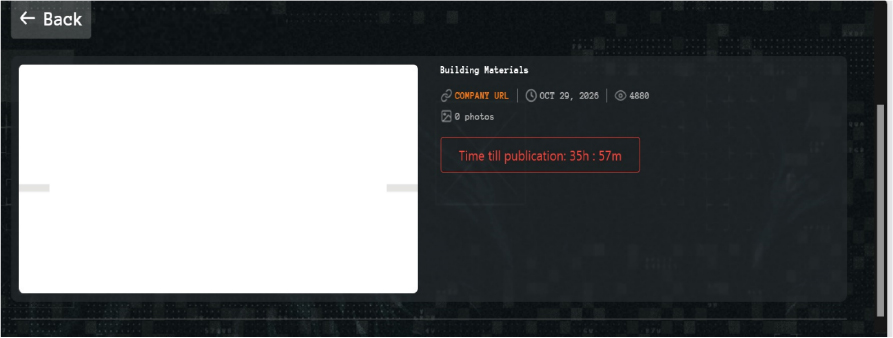
Source: Dark Web
Relevancy & Insights:
ETLM Assessment:
According to CYFIRMA’s assessment, Qilin ransomware poses a significant threat to organizations of all sizes. Its evolving tactics, including double extortion (data encryption and leak threats), cross-platform capabilities (Windows and Linux, including VMware ESXi), and a focus on speed and evasion, make it a particularly dangerous actor.
The Gentlemen Ransomware Impacts a Manufacturing Company from Indonesia
Summary:
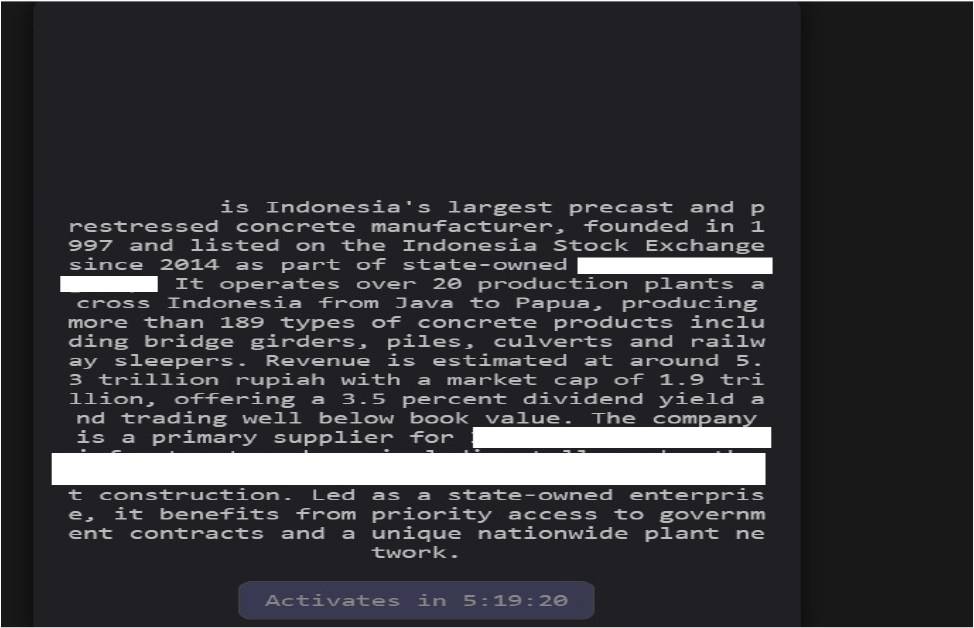
CYFIRMA observed on a ransomware data leak site (DLS) on the dark web that a company from Indonesia was compromised by The Gentlemen Ransomware. The compromised company is Indonesia’s largest precast and prestressed concrete manufacturer, founded in 1997 and listed on the Indonesia Stock Exchange since 2014. It operates over 20 production plants across Indonesia from Java to Papua, producing more than 189 types of concrete products including bridge girders, piles, culverts and railway sleepers. The data, which has been breached, has not yet appeared on the leak site, indicating that negotiations between the affected party and the ransomware group may be underway. The compromised data includes confidential and sensitive information belonging to the organization.
Source: Dark Web
Relevancy & Insights:
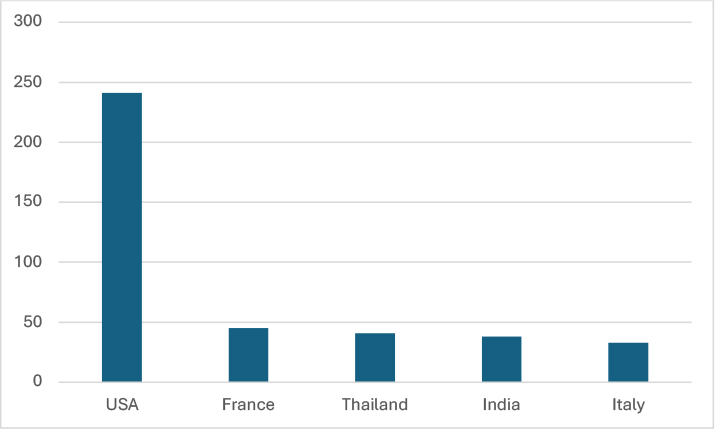
ETLM Assessment:
According to CYFIRMA’s assessment, the Gentlemen Ransomware is a highly adaptive and globally active threat that leverages dual-extortion tactics, combining data theft with file encryption. The group employs advanced evasion and persistence techniques, supports cross-platform and scalable ransomware deployment, and conducts targeted attacks across multiple industries and geographic regions. This combination of capabilities makes it a significant risk to enterprise cybersecurity defenses, particularly for organizations with limited detection and incident-response maturity.
Vulnerability in Autodesk Fusion
Relevancy & Insights:
The flaw affects the 5.0.1 pre-release of the Autodesk Fusion Post Processor Utility Extension, used in CAD/CAM post-processing workflows. Autodesk has addressed the issue in version 5.0.2, available through the Visual Studio Marketplace. The issue does not imply that every Autodesk Fusion installation is vulnerable.
Impact:
An attacker who induces a user to process a malicious .stack.json file could execute arbitrary commands with that user’s privileges, potentially compromising engineering files and the affected workstation.
Affected Products:
https[:]//www[.]autodesk[.]com/trust/security-advisories/adsk-sa-2026-0018
Recommendations:
Monitoring and Detection: Update the Fusion Post Processor Utility Extension to version 5.0.2 through the Visual Studio Marketplace, open files only from trusted sources, and monitor for unexpected command execution following extension activity.
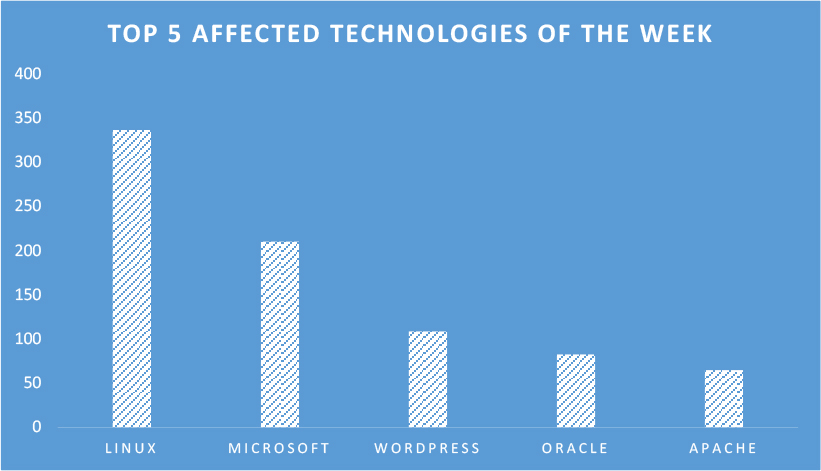
TOP 5 AFFECTED TECHNOLOGIES OF THE WEEK
This week, CYFIRMA researchers have observed significant impacts on various technologies due to a range of vulnerabilities. The following are the top 5 most affected technologies.
ETLM Assessment:
A vulnerability in Autodesk Fusion Post Processor Utility Extension can introduce security risks to engineering workstations when a user opens a maliciously crafted stack configuration file. Organizations in manufacturing, automotive, aerospace, and industrial design that use CAD/CAM post-processing tools may face exposure of project data or disruption to engineering workflows. The issue affects a specific pre-release version of the utility rather than all Autodesk Fusion installations. Applying the vendor-provided update and maintaining careful file-handling practices are important to protecting engineering assets and supporting the continuity of design and production operations.
SafePay Ransomware attacked and published the data of a Manufacturing company from Taiwan
Summary:
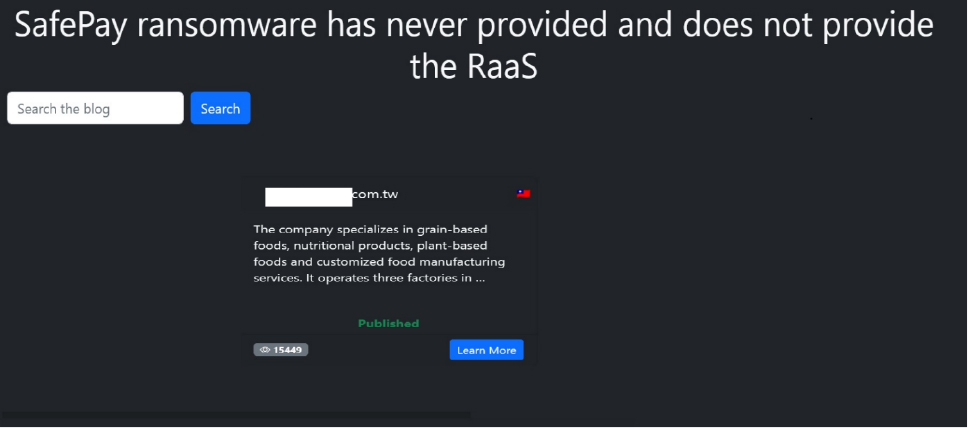
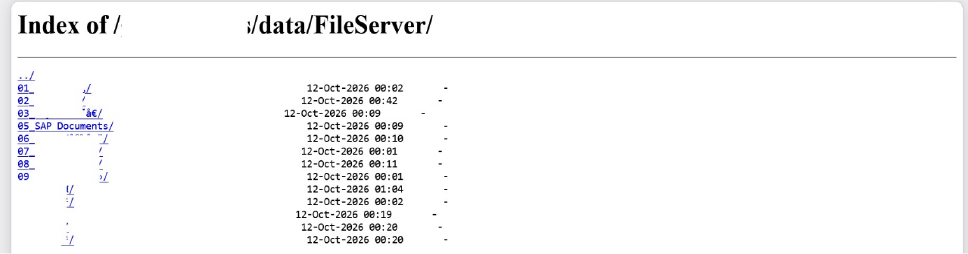
Recently, we observed that SafePay Ransomware attacked and published the data of a Manufacturing company from Taiwan on its dark web website. The compromised company is a Taiwanese food manufacturing company. The company specializes in grain-based foods, nutritional products, plant-based foods, and customized food manufacturing services. It operates three factories in Douliu and provides original equipment manufacturing (OEM) and original design manufacturing (ODM) services to domestic and international food brands. Its product portfolio includes oatmeal, breakfast cereals, grain-based beverages, nutritional powders, infant cereal products, specialized nutritional formulas for older adults, high-protein foods, organic products, and customized snacks. It maintains international business relationships and exports products to markets including the United States, Japan, Australia, New Zealand, Malaysia, Indonesia, and other Asian countries. The exposed directory listing indicates that the compromised data may include sensitive corporate files stored on a file server, including SAP-related documents, business and administrative records, internal departmental files, and other organizational data. The directory contains multiple folders with partially unreadable or corrupted names, making it difficult to determine their exact contents. The presence of a dedicated “SAP Documents” directory suggests that enterprise resource planning (ERP)-related information may also be exposed. The compromised data could potentially include business documentation, operational records, financial information, and internal files.

Source: Dark Web
Relevancy & Insights:
ETLM Assessment:
According to CYFIRMA’s assessment, SafePay represents a sophisticated, fast-moving ransomware threat capitalizing on VPN weaknesses and credential theft, employing effective double extortion tactics to maximize ransom payments. Organizations, especially in highly targeted sectors and regions, must prioritize layered defenses and active hunting for early detection.
Unauthorized Food Manufacturing Data Advertised on a Leak Site
Summary
The CYFIRMA Research team identified a post on a cybercrime forum advertising the alleged leakage of approximately 500 GB of data associated with a Thai food manufacturing organization. According to the forum advertisement, the organization operates in the food manufacturing and supply chain sector, producing ingredients, frozen food products, and ready-to-eat meals for retail and restaurant customers. The advertisement claims that the dataset is being offered for sale, although the exact nature and composition of the allegedly compromised information have not been disclosed in the publicly visible post.
Based on the information shared in the forum advertisement, the alleged data exposure may involve sensitive corporate and operational information, potentially including:
The forum post indicates that the complete dataset is being advertised as a 500 GB leak. However, the publicly visible advertisement does not provide sufficient information to independently determine the exact categories of compromised data. The actual contents, source, and authenticity of the dataset remain unverified.
If verified, the exposure of sensitive corporate and operational information could significantly impact the affected organization. Cybercriminals may leverage the allegedly compromised data to conduct targeted phishing campaigns, business email compromise (BEC), corporate espionage, intellectual property theft, supply chain attacks, and extortion activities. Exposure of manufacturing processes, quality control documentation, product specifications, and logistics information could also provide competitors or malicious actors with insights into internal business operations and supply chain dependencies.
This assessment is based solely on information published in the cybercrime forum advertisement and has not been independently confirmed.
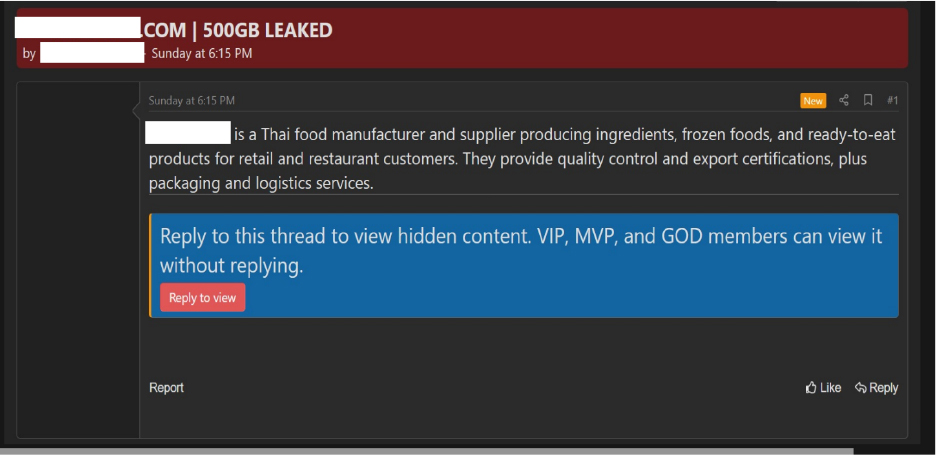
Source: Underground Forums
Relevancy & Insights:
Financially motivated cybercriminals are continuously looking for exposed and vulnerable systems and applications to exploit. A significant number of these malicious actors congregate within underground forums, where they discuss cybercrime and trade stolen digital assets. Operating discreetly, these opportunistic attackers target unpatched systems or vulnerabilities in applications to gain access and steal valuable data. Subsequently, the stolen data is advertised for sale within underground markets, where it can be acquired, repurposed, and utilized by other malicious actors in further illicit activities.
ETLM Assessment:
The threat actor is assessed as an active and capable cybercriminal entity primarily involved in data-leak and information-extortion activities, with multiple indications of unauthorized access to systems and the subsequent dissemination or sale of compromised data through underground forums. Their activities demonstrate the evolving sophistication of organized cybercriminal networks and highlight the increasing risk of sensitive information being exploited for financial gain, fraud, and follow-on attacks. Organizations should strengthen their cybersecurity posture through continuous monitoring, proactive threat intelligence, robust access controls, enhanced data protection, and timely defensive measures to safeguard sensitive information and critical infrastructure.
Recommendations: Enhance the cybersecurity posture by:
The CYFIRMA research team identified a post on a cybercrime forum advertising an alleged 30 GB data leak associated with an Indian organization operating in the food and beverage sector. The organization is described in the post as a producer of non-alcoholic beverages and packaged food products. The advertisement claims that a substantial volume of data has been leaked; however, the image available for this assessment does not provide details about the specific files, databases, or information categories allegedly exposed.
Based on the information visible in the forum post, the following details are available:
If verified, exposure of corporate data could create risks depending on the nature of the information involved. Potential consequences may include targeted phishing and social engineering, business email compromise (BEC), unauthorized access attempts, disclosure of confidential business information, supply-chain risks, extortion, and reputational damage. If operational, employee, customer, or commercial records were among the exposed data, the impact could extend to business continuity, privacy obligations, and relationships with suppliers or customers. These are potential risks only; the provided image does not confirm that such records were exposed.
Organizations in the food and beverage sector should maintain strong identity and access controls, enforce multi-factor authentication (MFA), restrict access to sensitive repositories, encrypt data at rest and in transit, monitor unusual data transfers, and secure backup environments. Regular vulnerability assessments, network segmentation, incident-response exercises, and threat-intelligence monitoring can help reduce the likelihood and impact of data-exposure incidents. Organizations should also assess whether any customer, employee, supplier, or operational information may have been affected and follow applicable notification and regulatory requirements where necessary.
The authenticity and scope of the alleged 30 GB dataset remain unverified at the time of reporting. This assessment is based solely on the information visible in the supplied forum image and has not been independently confirmed.
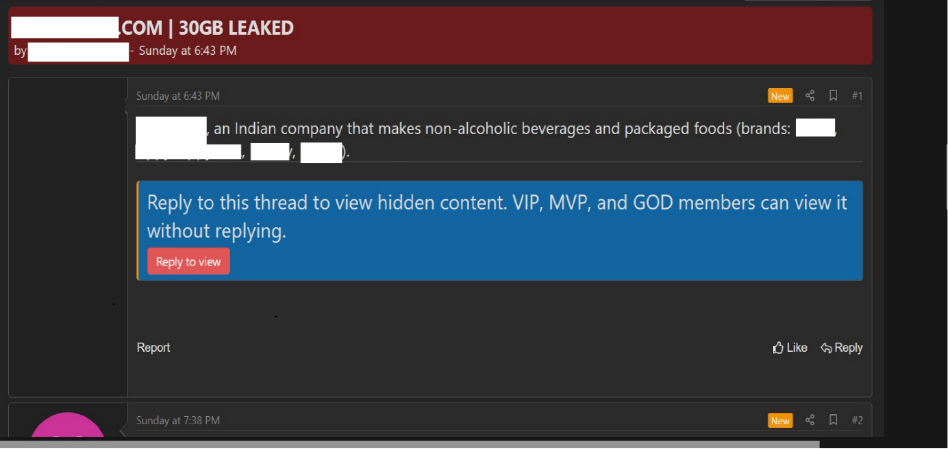
Source: Underground Forums
STRATEGIC RECOMMENDATIONS
MANAGEMENT RECOMMENDATIONS
TACTICAL RECOMMENDATIONS
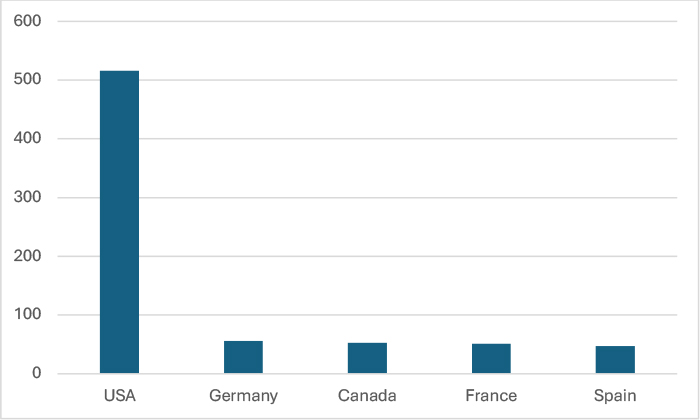
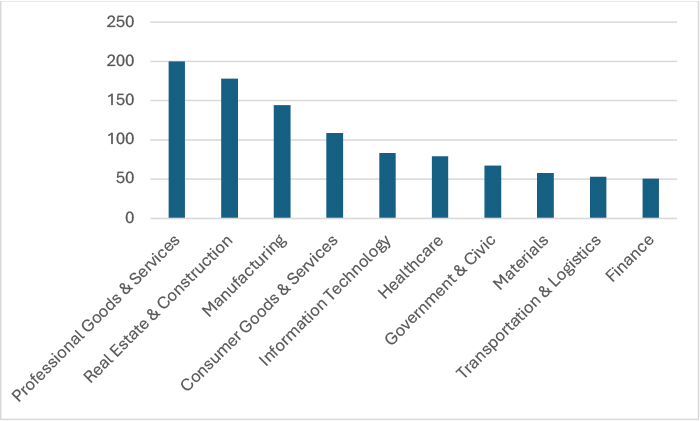
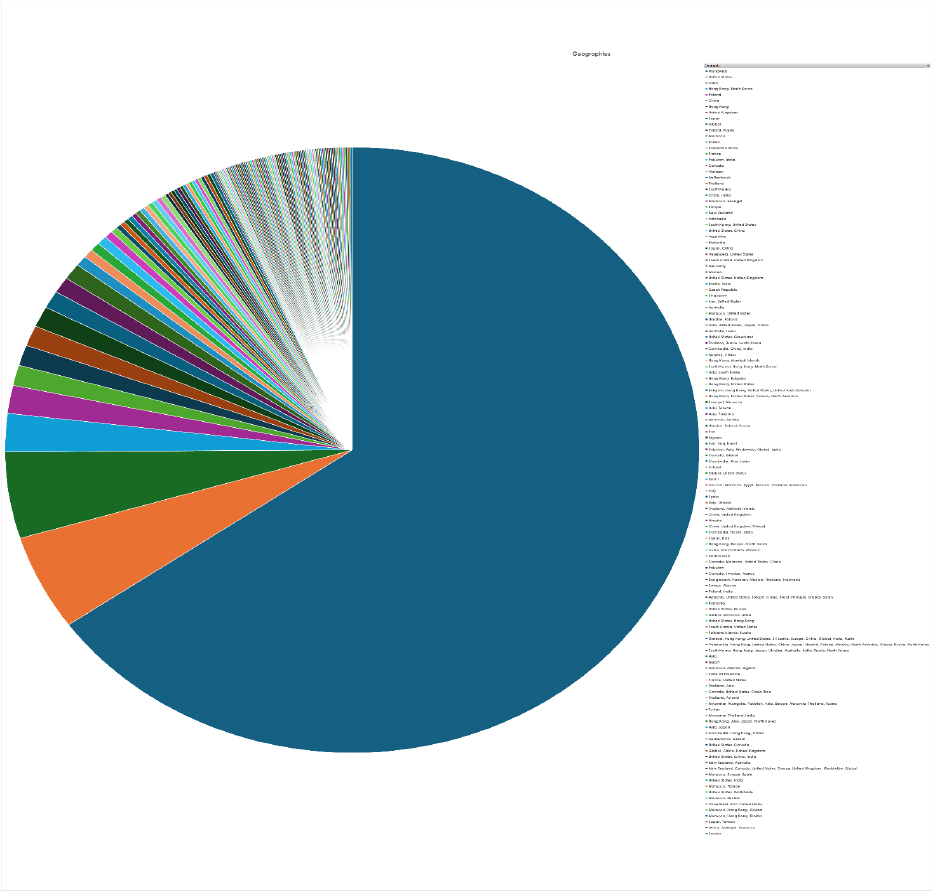
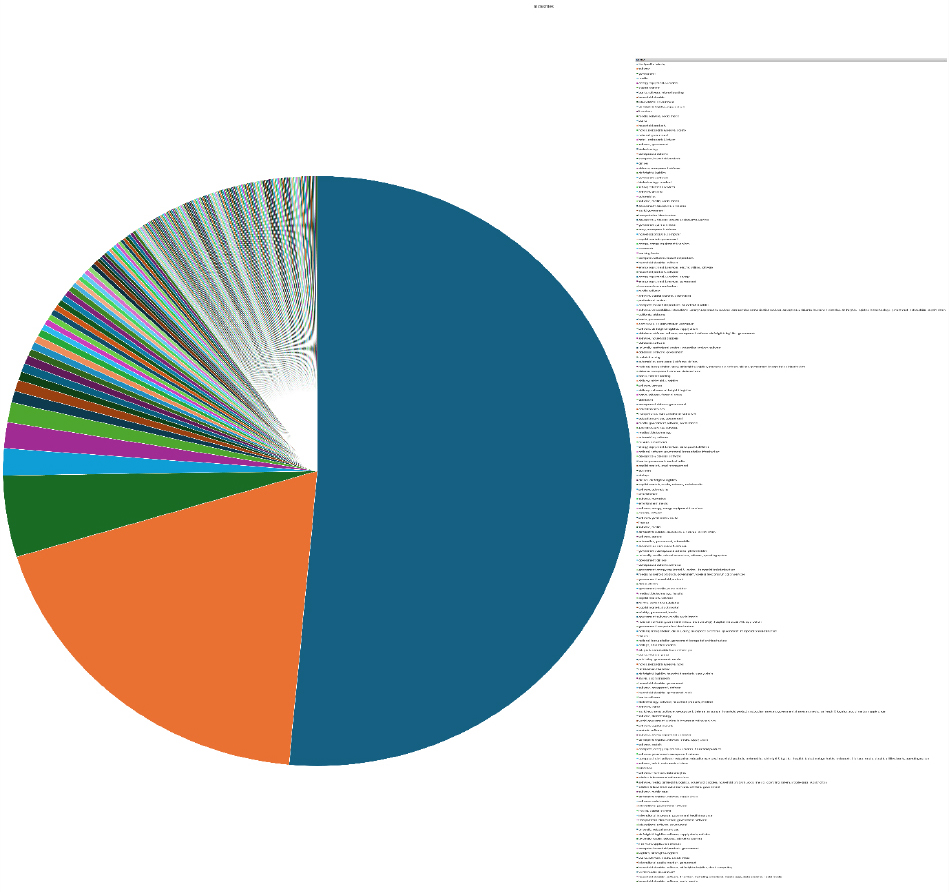
Please find the Geography-Wise and Industry-Wise breakup of cyber news for the last 5 days as part of the situational awareness pillar.
Geography-Wise Graph
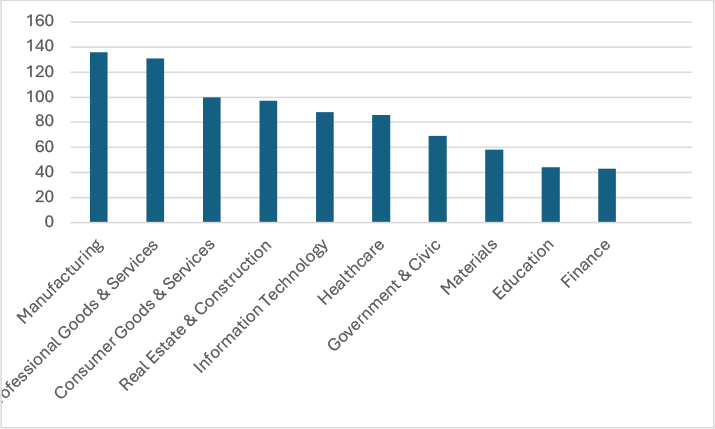
Industry-Wise Graph
For situational awareness, intelligence, and specific insights mapped to your organisation’s geography, industry, and technology, please access DeCYFIR.
