Published On : 2026-10-18
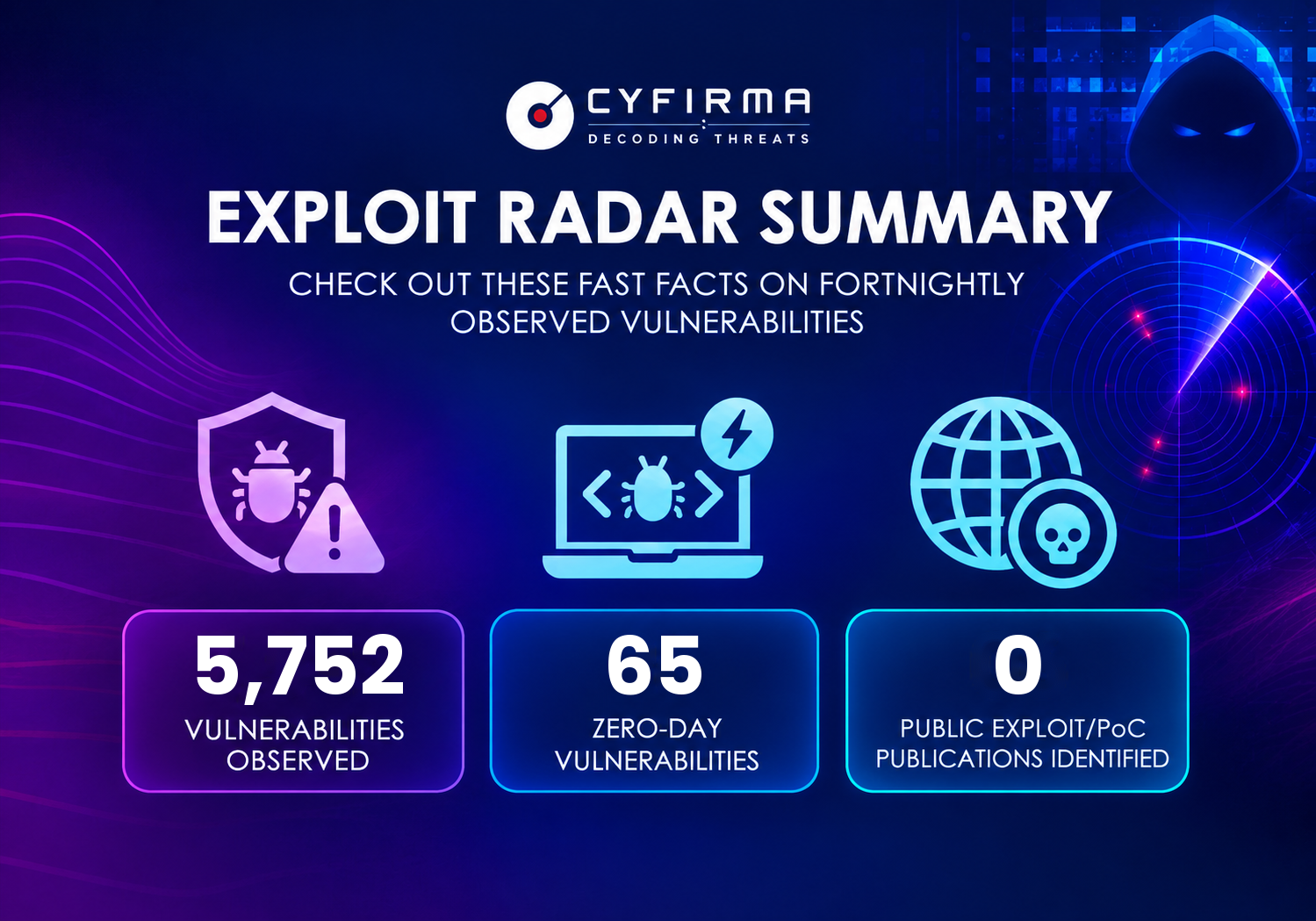
EXPLOIT RADAR SUMMARY
CHECK OUT THESE FAST FACTS ON FORTNIGHTLY OBSERVED VULNERABILITIES.
Most Affected Products/Technologies Observed This Fortnight
Chrome | Linux | Windows
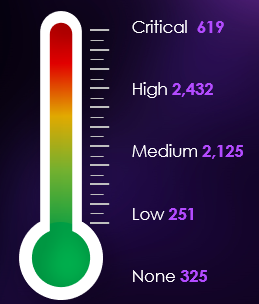
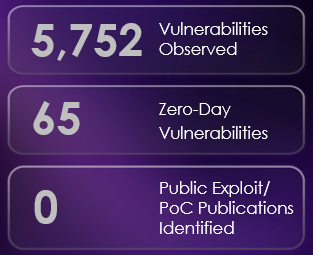

23.73% decrease in vulnerabilities compared with the previous two weeks.
Fortnightly Trends in Vulnerabilities
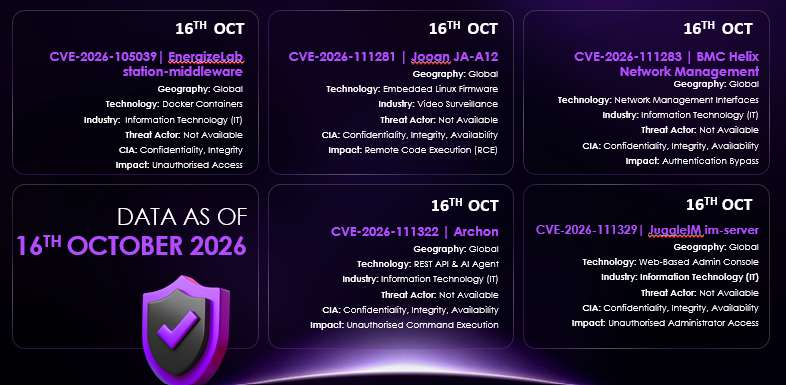
| CVE |
CVSS Score
(CNA) |
CVSS 4.0 (CNA) |
Product |
Affected Version |
Fixed Version |
| CVE-2026-105039 |
9.6 |
N/A |
EnergizeLab station-middleware |
1.6.5–1.8.2 |
No vendor-fixed release identified |
| CVE-2026-111281 |
9.8 |
9.3 |
Jooan JA-A12 |
Firmware 009_20171107 and 05.02.31.105 |
No vendor-fixed release identified |
| CVE-2026-111283 |
9 |
9.5 |
BMC Helix Network Management |
Before 26.3.01 |
26.3.01 |
| CVE-2026-111322 |
9.8 |
9.3 |
Archon |
0.2.13–0.11.1 |
No vendor-fixed release identified |
| CVE-2026-111329 |
9.8 |
9.3 |
JuggleIM im-server |
≤ 1.8.16 |
No vendor-fixed release identified |
Mitigation of CVEs
CVE-2026-105039:
- Upgrade to a patched version when available.
- Enforce role-based access controls on administrative APIs.
- Rotate AI provider keys and restrict object-store access.
- Limit API access to trusted networks.
- Monitor configuration changes and unauthorised data access.
CVE-2026-111281:
- Update firmware when a security fix becomes available.
- Change default credentials and secure administrator accounts.
- Restrict remote access to the camera.
- Block unauthorised access to the web interface.
- Isolate cameras on a dedicated network.
CVE-2026-111283:
- Upgrade to version 26.3.01 or later.
- Review SAML SSO and local administrator authentication.
- Restrict access to the management interface.
- Rotate device credentials and review administrator privileges.
- Monitor audit logs for suspicious activity.
CVE-2026-111322:
- Upgrade to a patched version when available.
- Enable authentication for all /api/* endpoints.
- Restrict API access to trusted networks.
- Disable permission bypasses and limit host-level privileges.
- Monitor API requests and suspicious command execution.
CVE-2026-111329:
- Upgrade to a patched version when available.
- Replace default administrator credentials immediately.
- Restrict access to admin console port 8090.
- Review administrator accounts and tenant permissions.
- Rotate application secrets and monitor unauthorised changes.
Recommended Customer Prioritization
- CVE-2026-105039 – EnergizeLab station-middleware
Reason: Missing role checks allow any authenticated low-privilege user to retrieve AI provider keys and modify configuration and data.
- CVE-2026-111281 – Jooan JA-A12 IP camera
Reason: Allows unauthenticated attackers to execute root commands remotely and gain full device control.
- CVE-2026-111283 – BMC Helix Network Management
Reason: Enables authentication bypass to gain administrator access, execute device commands, and modify audit records.
- CVE-2026-111322 – Archon
Reason: Allows unauthenticated attackers to execute commands on the host system through the exposed API.
- CVE-2026-111329 – JuggleIM im-server
Reason: Default administrator credentials may allow unauthorised access to tenant applications and sensitive application secrets.
OVERALL ASSESSMENT
- The five CVEs present significant security risks, including unauthorised access, authentication bypass, remote command execution, and exposure of sensitive credentials.
- Customers should prioritise vulnerabilities affecting internet-exposed systems, apply available security patches, strengthen authentication and access controls, rotate compromised credentials, and monitor systems for suspicious activity.
1.DOES THIS AFFECT ME?
- EnergizeLab station-middleware: Yes, if you use versions 1.6.5 through 1.8.2.
- Jooan JA-A12 IP camera: Yes, if you use the affected camera firmware versions.
- BMC Helix Network Management: Yes, if you use an on-premises version before 26.3.01 with SAML SSO configured.
- Archon: Yes, if you use versions 0.2.13 through 0.11.1.
- JuggleIM im-server: Yes, if you use version 1.8.16 or earlier.
2.HOW EXPOSED AM I?
- Internet-facing systems may be vulnerable to remote attacks.
- Weak authentication and default credentials may allow unauthorised access.
- Missing access controls may expose administrative functions and sensitive information.
- Vulnerable APIs and services may allow unauthorised command execution or system modifications.
- Exposed credentials and inadequate monitoring may increase the risk of data theft and system compromise.
3. WHAT SHOULD I DO NOW?
- Identify affected products and verify whether vulnerable versions are in use.
- Apply available security patches, firmware updates, or vendor-recommended fixes.
- Change default passwords and rotate exposed credentials, API keys, and application secrets.
- Restrict access to administrative interfaces and APIs to trusted networks.
- Monitor security logs for suspicious activity and investigate unauthorised access or configuration changes.